
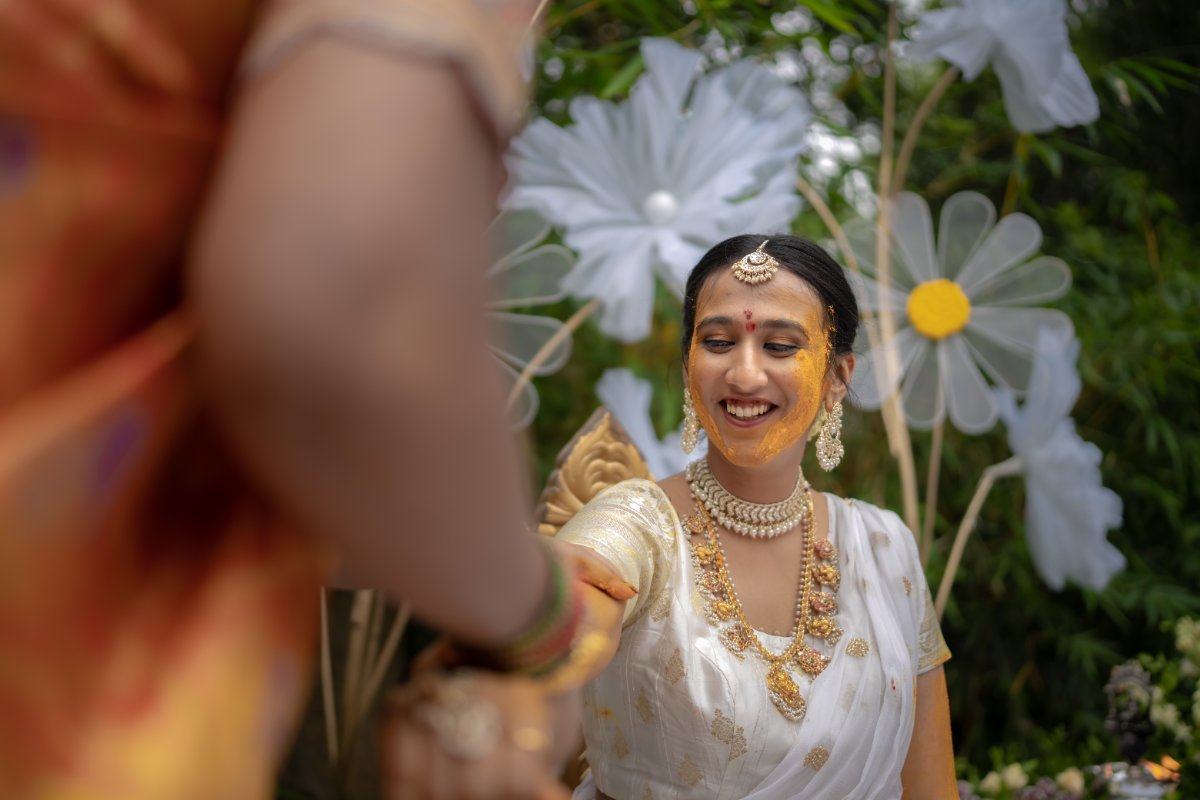
A Marwari wedding is not a single ceremony — it is a 5-day colour symphony. From the intimate gold exchange of the Sagai to the tear-soaked grandeur of the Vidai, every hour of a Marwari celebration carries visual drama that demands a photographer who understands the rituals, the emotional beats, and the specific technical challenges of palace and fort venues. This is the complete guide.
Day 1 — Sagai (Engagement Ceremony)
The Sagai is the formal betrothal — often held at the bride's home or a decorated hall. Key photographic moments:
- Ring/thali exchange — shoot with a telephoto to capture genuine reactions without intrusion
- Gold jewellery detail shots — use a 100mm macro for necklace, earring and bangles detail
- Family formal portraits — both families together, then separately, then elders individually
- Puja setup — the decorated thali, kumkum, flowers and diyas as a flat-lay before the ceremony begins
Day 2 — Mehendi & Sangeet
Two of the most joyful events of the Marwari wedding calendar — often held on the same evening.
Mehendi
- Get close-up process shots of the mehendi artist's hand and the bride's palm — these are among the most-shared images from any wedding
- Capture the bride's face at the moment she first sees the finished design
- Natural window light is ideal — avoid on-camera flash for mehendi photography
- Document all the female guests getting mehendi done — candid social moments
Sangeet
- The Sangeet is performance-driven — position a camera at stage level and one in the audience for simultaneous wide and intimate coverage
- Groom's family dancing is often the most joyful sequence — don't let the photographer stay fixed on the main stage
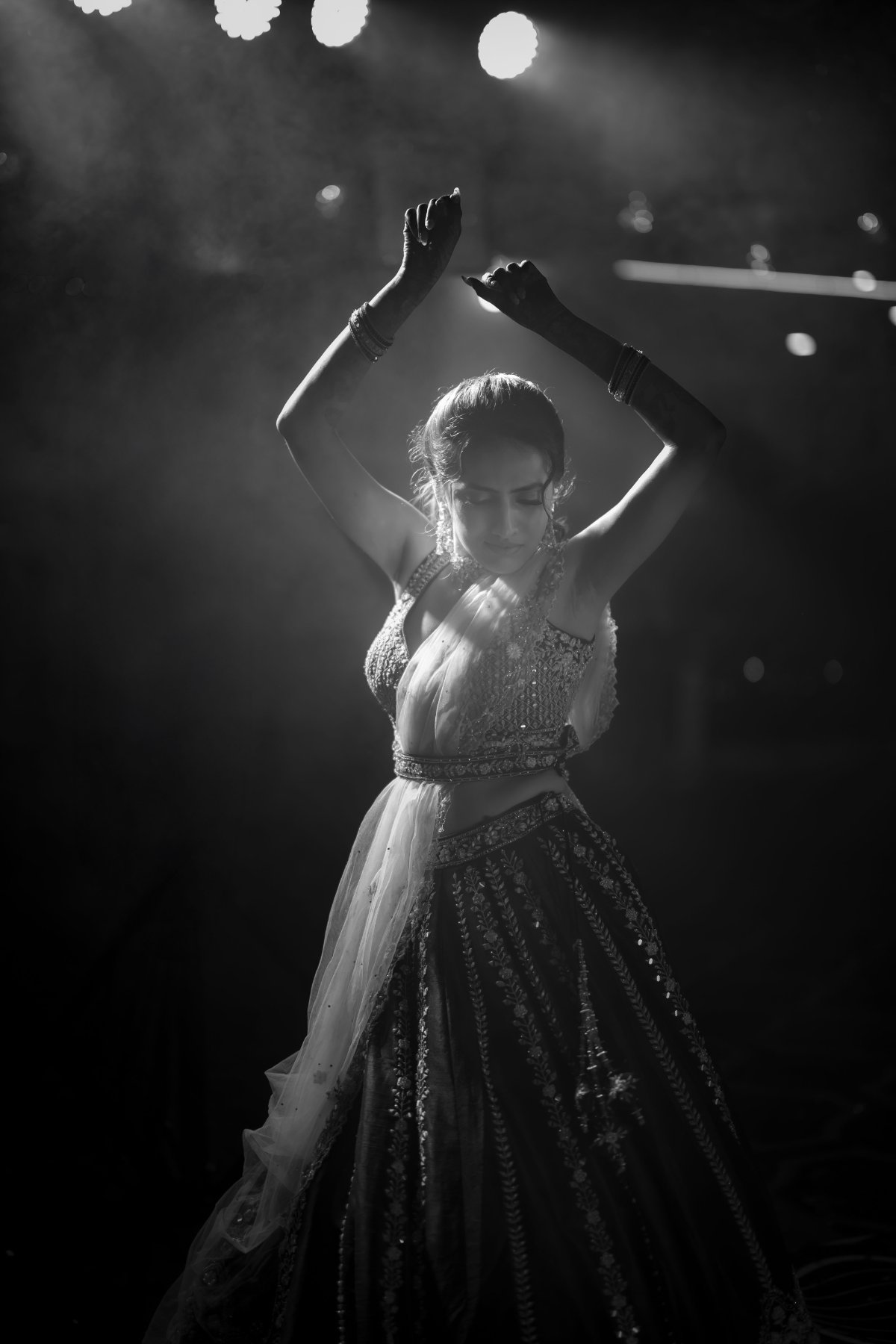
- Evening light and coloured stage lighting create dramatic colour palette — set ISO floor at 3200, shoot wide aperture
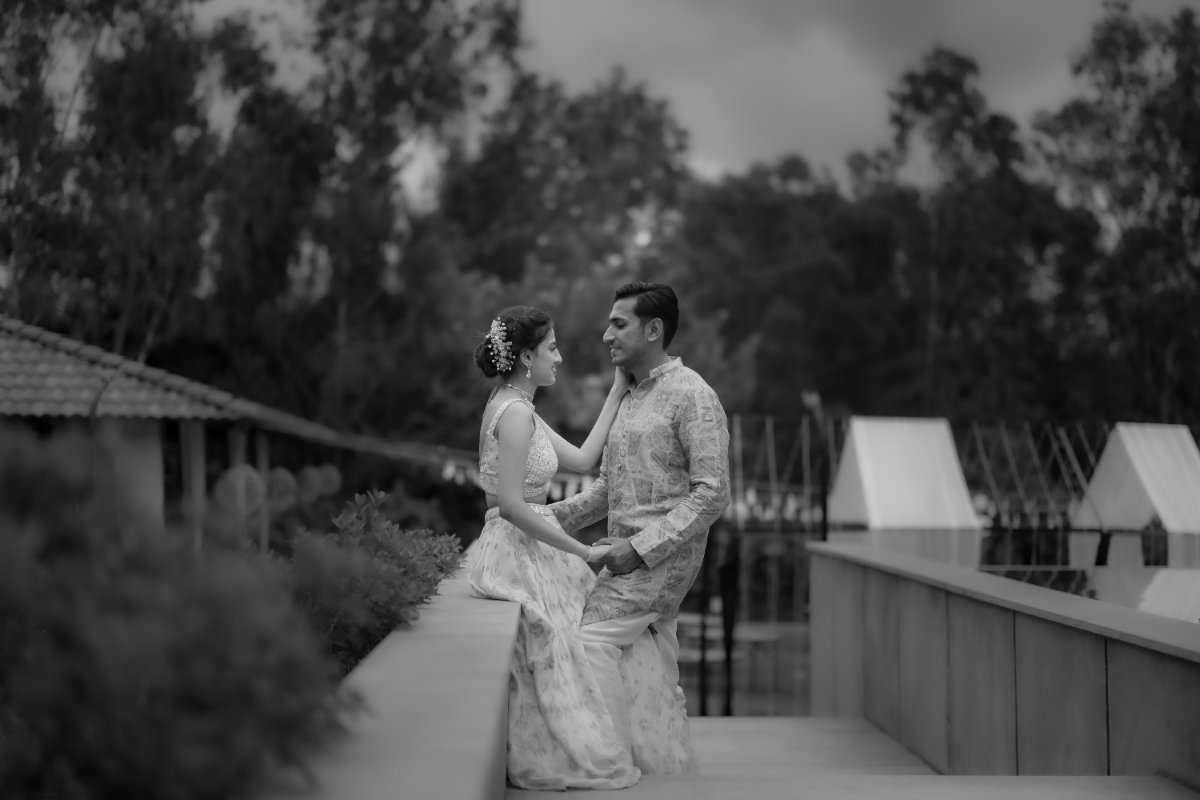
Day 3 — Haldi & Chooda
Haldi
The haldi ceremony is visually electric — golden paste, white outfits, joyful chaos. Key shots:
- Wide establishing shot before the haldi begins — all white outfits pristine
- The first application moment — the mother or eldest female relative beginning
- The bride's face when a sibling over-applies haldi — the laughter is authentic and irreplaceable
- The groom's parallel haldi (at his own location) — requires two teams shooting simultaneously
- Post-haldi — the golden bride portrait, before the shower
Chooda
The red and white bangles ceremony is sacred and intimate. Shoot with a 35mm or 50mm prime, keep the crew small, allow silence, and document the mama (maternal uncle) placing the bangles without intrusion.
Day 4 — Baraat, Ceremony & Pheras
The longest and most technically demanding day.
Baraat
- Aerial drone footage of the procession is non-negotiable — a Marwari baraat from the air is one of the most spectacular shots in wedding photography
- Groom on white horse / decorated elephant — a 70–200mm telephoto from street level creates a majestic portrait
- Dhol players — extreme wide and extreme close-up. Both are necessary
- Fireworks — use a fast shutter (1/500+) to freeze pyrotechnic burst patterns
Jaimala (Garland Exchange)
Position one photographer at bride height, one elevated behind the groom. The simultaneous reactions of both families in the background are as important as the garland exchange itself.
Kanyadaan & Pheras
The emotional and spiritual peak of the entire wedding. Tips:
- Establish the mandap's scale with a wide lens before guests arrive
- Shoot the seven pheras from multiple angles — the walking silhouettes around the fire at dusk are iconic
- Father's face during kanyadaan — a 135mm portrait lens at 6+ metres creates the compression and intimacy needed
Day 5 — Vidai & Reception
Vidai
The Vidai — the bride leaving her family home — is one of the most emotionally intense moments in all of Indian culture. Photography approach:
- Shoot in a documentary style — do not direct. Follow and observe
- Capture every family member's face, not just the bride's
- The rice-throwing moment (bride throws rice over her shoulder) — position behind her, wide angle, capture the family reaching to catch
- The final wave from the car window — shoot from outside the car with a 50mm
Reception
By Day 5, the wedding party is emotionally full and physically tired — candid joy is everywhere. Grand entry, first dance, toasts, and the couple sitting together quietly are the moments that close a 5-day visual story beautifully.
Visual Signatures of Marwari Weddings
- Rich reds, deep pinks and gold — the dominant palette across all 5 days
- Rajasthani fort, palace or haveli walls as backgrounds — ochre, sandstone, red oxide
- Groom's sehra (floral veil) portrait — a Marwari-specific image that has no equivalent in other traditions
- Maand singing women — traditional female musicians in folk dress
- Enormous floral mandaps — 8–12 feet tall, marigold and rose, photographed from a wide angle to communicate scale
Crew Sizing Guide
| Day | Photographers | Videographers | Drone | Editor |
|---|---|---|---|---|
| Day 1 — Sagai | 1 | 1 | No | No |
| Day 2 — Mehendi/Sangeet | 2 | 1 | No | No |
| Day 3 — Haldi/Chooda | 2 (split location) | 2 | No | No |
| Day 4 — Baraat/Ceremony | 3 | 2 | Yes | Yes (SDE) |
| Day 5 — Vidai/Reception | 2 | 1 | Optional | No |
Where are the best Marwari wedding venues in Rajasthan?
Top venues for Marwari weddings: Umaid Bhawan Palace (Jodhpur), Samode Palace (Jaipur), Taj Rambagh Palace (Jaipur), Oberoi Rajvilas (Jaipur), The Leela Palace (Jaipur), Chomu Palace, Fateh Bagh (near Ranakpur), and heritage havelis in Shekhawati region. Fort Barwara and Alila Fort Bishangarh are among the newest and most cinematically spectacular options.