
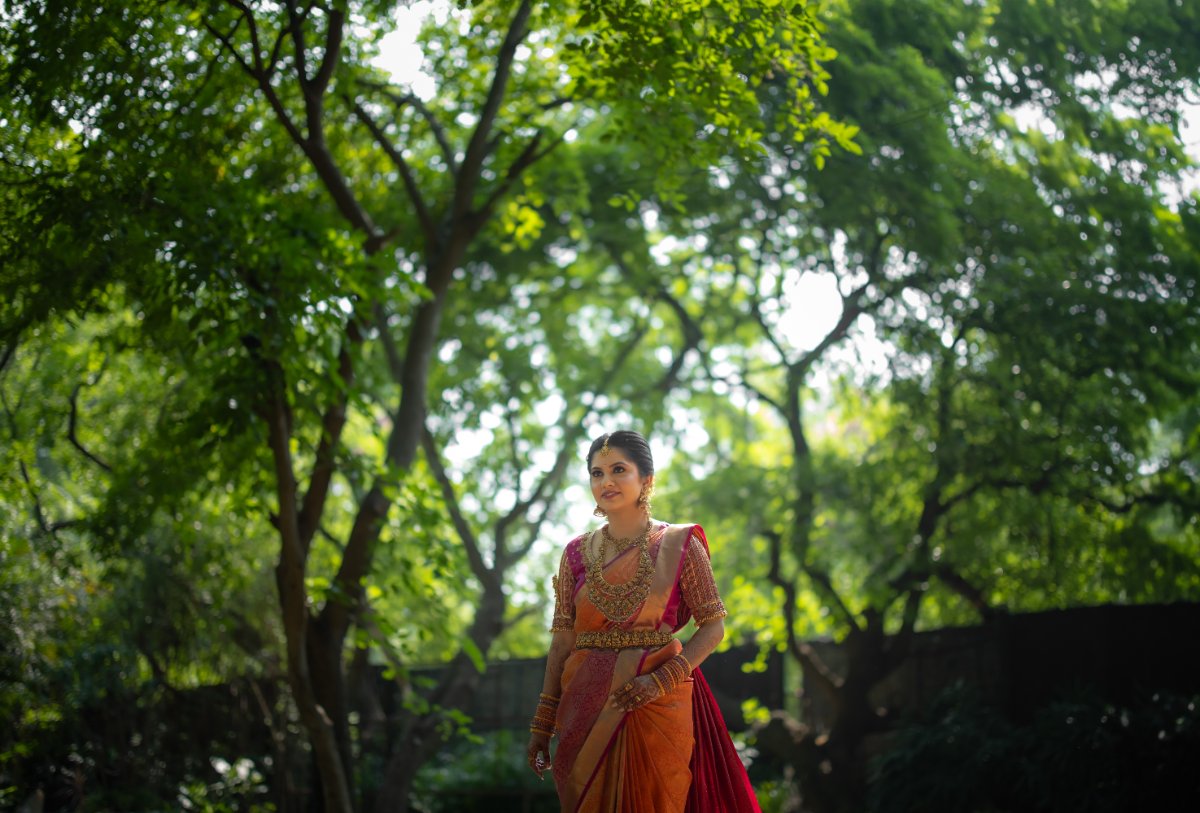
Every couple wants a wedding film that makes them cry — in the good way. What they often receive is a multi-hour recording of the ceremony with background music added. The difference between those two outcomes comes down to a few specific production decisions made long before the wedding day. Here is exactly how to tell the difference — and what to look for before you book.
Videography vs Cinematography: The Real Difference
Videography records what happened — a full-length, largely chronological document of the event. Every ritual, every speech, every moment of the feast. It has its value as an archive.
Cinematography tells the story of what it felt like — using narrative structure, music, selective editing, colour grading, and intentional camera movement to create a film with an emotional arc that you want to re-watch twenty years later.
A cinematographer approaches your wedding the way a director approaches a film set — with a planned shot list, an eye for light, and a sense of narrative about the day's story. A videographer points the camera and presses record.
Anatomy of a Great Wedding Highlight Film
- Opening hook (10–20 seconds) — sets the emotional tone immediately. Often a quiet private moment — the bride's reflection, the groom's exhale, a vow fragment. The viewer should feel something within 10 seconds.
- Story arc — getting ready → ceremony build-up → the defining moment → reception joy → close. The film follows an emotional journey, not a timeline.
- Music selection — one or two tracks chosen to carry the couple's specific personality and the wedding's cultural register. Not generic stock music used in every film.
- Clean vow audio — captured from a lavalier mic on the groom, isolated from ambient noise. Without clean audio, the emotional core of the film is missing.
- Colour grade — consistent cinematic LUT applied to LOG-profile footage. Not the camera's auto colour profile. Every scene should feel like it belongs to the same film.
- Pacing — cuts timed to music, not to the event clock. Fast during the baraat and sangeet energy; slow, deliberate and wide during the vows and kanyadaan.
- Resolution — 4K minimum. Slow-motion at 120fps or 240fps at key emotional moments — the garland exchange, the first tear, the first smile as husband and wife.
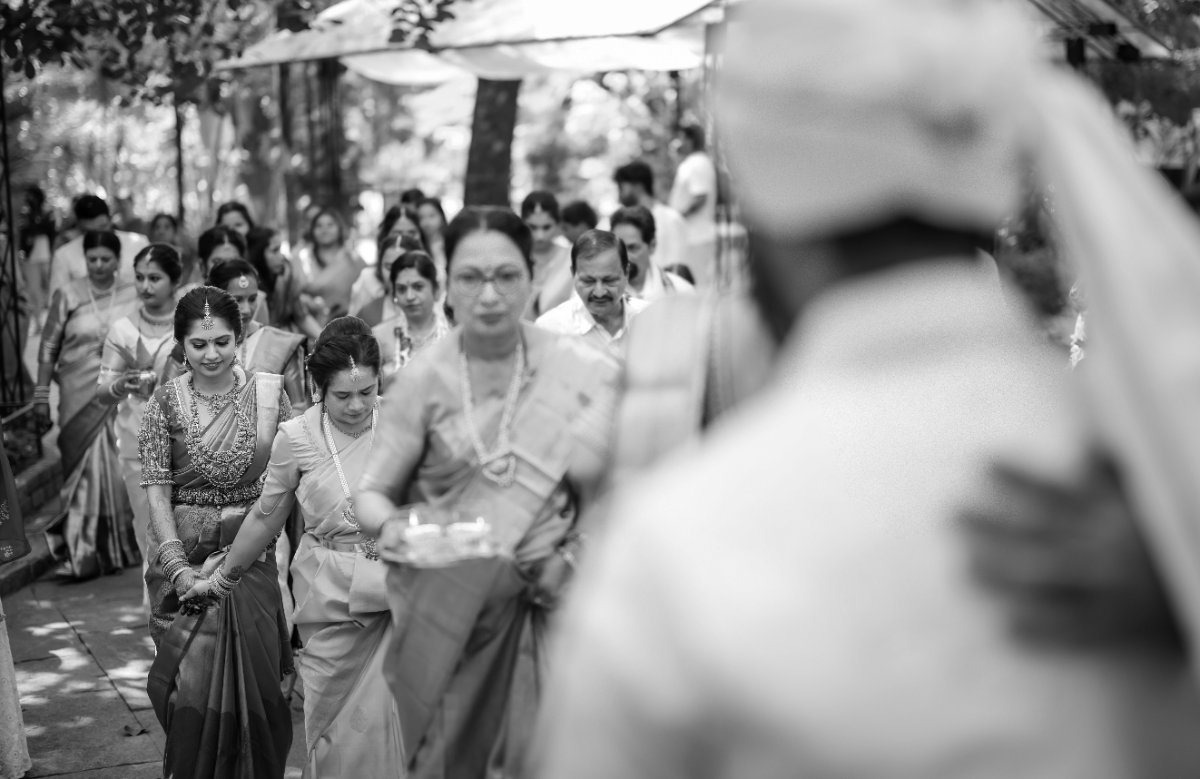
Equipment That Actually Matters
- Cinema-capable camera body — Sony FX3, Canon EOS R5C, Blackmagic Pocket 6K, or equivalent. LOG-profile recording is non-negotiable for proper colour grading.
- Gimbal stabiliser — DJI RS 3 Pro or similar. All walking shots, baraat coverage and reception candids should be gimbal-stabilised. Shaky footage is unwatchable.
- Dedicated audio recorder — Zoom H6 or Tascam DR-10L with a Rode Lavalier Go on the groom. This is how you get clean vow audio.
- Second camera operator — one on a prime lens for intimate close-ups, one on a wide zoom for context and crowd coverage. Running one camera at a wedding ceremony is a critical limitation.
- Drone — for establishing shots and the aerial sequences that make destination and large Indian weddings impossible to replicate from the ground.
Deliverable Formats
| Format | Length | Delivery Time | Purpose |
|---|---|---|---|
| Teaser reel | 30–60 seconds | 7 days post-wedding | Instagram Reels, WhatsApp shares |
| Highlight film | 4–8 minutes | 6–8 weeks | Primary film for family and social sharing |
| Same-day edit (SDE) | 3–4 minutes | Same evening (reception) | Played live to guests at reception |
| Full ceremony documentary | 45–90 minutes | 10–12 weeks | Complete archive of all rituals |
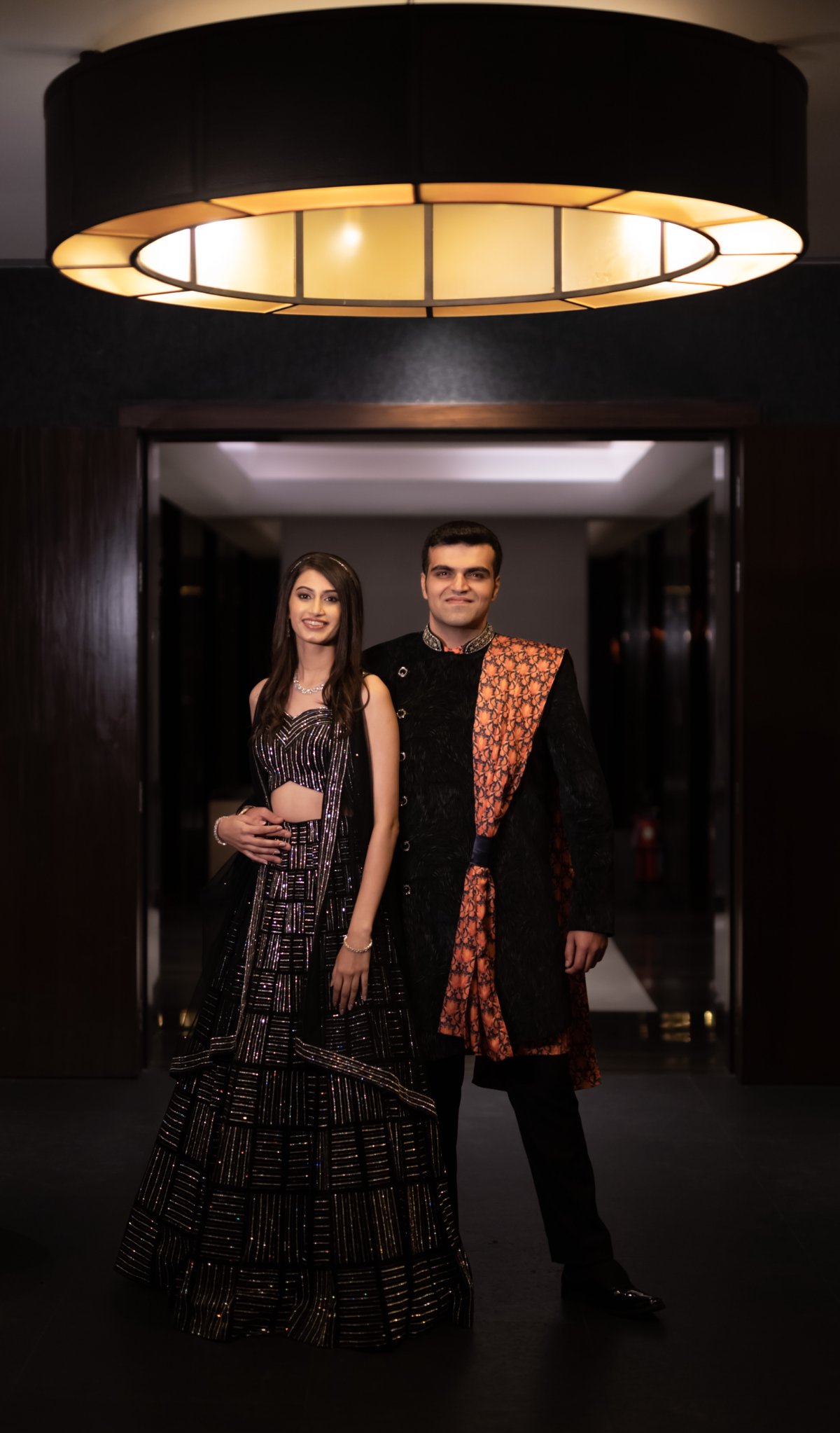
Red Flags When Reviewing Wedding Films
- Shaky footage during walking shots — no gimbal stabilisation
- Echoey, room-noise-heavy audio — camera mic used for vows
- Jump cuts between rituals without narrative flow or musical pacing
- Inconsistent colour — some shots warm, some cool, no cohesion across scenes
- No slow-motion at any emotional moment
- Generic background music clearly from a free stock library
- The same intro and outro title card on every couple's film
WeddingClickz Cinematic Production
Every WeddingClickz package includes a 4K cinematic highlight film shot on Sony FX3 with DJI RS3 Pro gimbal, with dedicated lavalier audio on the groom. Colour grading is done in DaVinci Resolve by our in-house cinematographer — not outsourced. Music licensing is included. Watch full highlight films (not 30-second samples) on our YouTube channel.
Can I request a specific song for my wedding highlight film?
Yes — you can share song preferences and we will advise on what works editorially for your wedding footage. Note that some songs require commercial licensing for use in a film that will be shared publicly on YouTube or Instagram. WeddingClickz handles licensing for commonly requested tracks as part of the production cost.
What is the difference between a same-day edit and a highlight film?
A same-day edit (SDE) is edited and delivered on the wedding day itself — 3–4 minutes, cut quickly from the morning and afternoon footage, colour graded minimally, and played to guests at the evening reception. A highlight film is the definitive version — edited over 4–6 weeks with full colour grading, audio polish, and narrative refinement. Both have different purposes and both are worth having if your budget allows.