
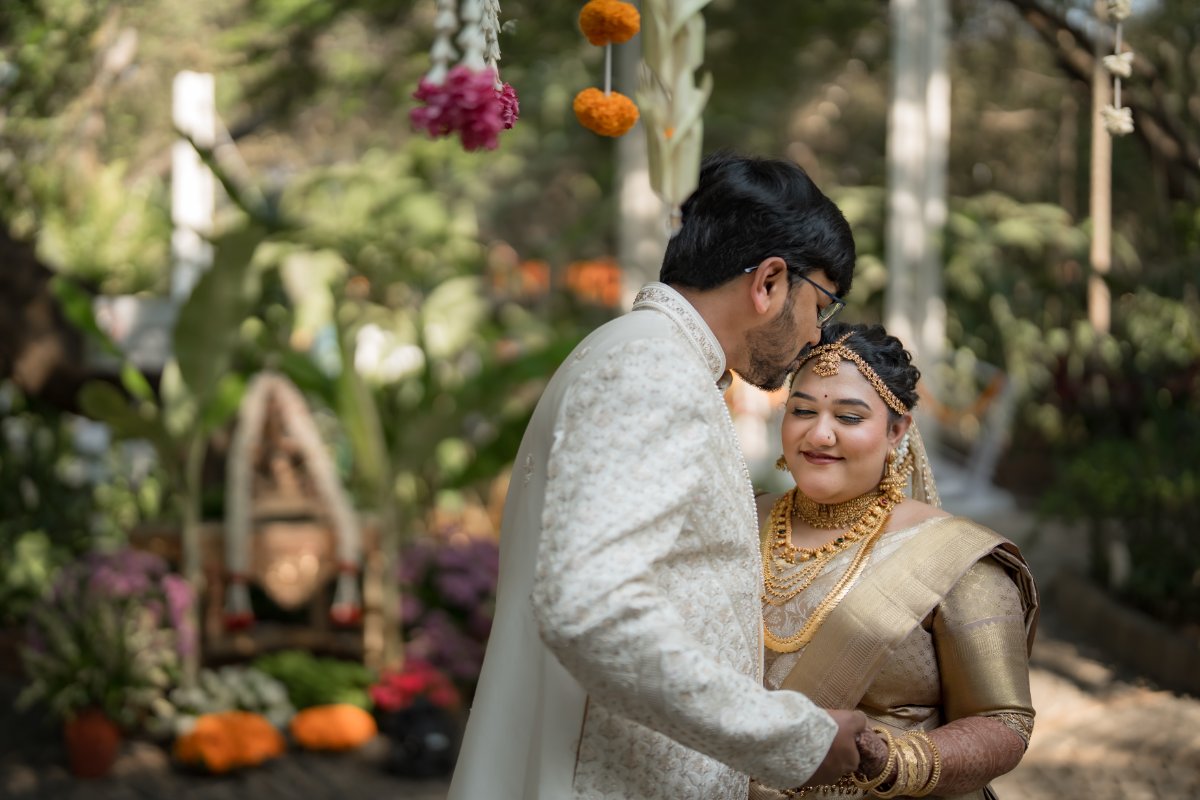
The most common regret couples share after receiving their wedding photos: "We got so many pictures of the reception but almost nothing of my mother during the kanyadanam."
The solution is a shot list — shared with your photographer at least two weeks before the wedding. This is not about controlling every candid moment; it is about ensuring the 12 frames that will be on your wall in 10 years are never left to chance.
Below is the complete list we use at WeddingClickz across 1800+ weddings. Adapt it for your specific traditions and share it directly with your photography team.
Pre-Wedding Events (Mehendi / Sangeet / Haldi)
- Bride's hands during mehendi application — tight macro, multiple stages
- Bride's expression while mehendi artist works — candid, not posed
- Groom's mehendi or haldi ceremony — the male equivalent is consistently under-photographed
- Bride with bridesmaids / close female friends — group portrait and candid versions
- Sangeet performance shots — wide group choreography and individual performer close-ups
- Groom and groomsmen — candid behind-the-scenes during their preparation
- The full haldi setup — turmeric paste, flowers, banana leaves — before the ritual starts
- Haldi application by mother, grandmother, siblings — each relative individually
Bride's Preparation (Getting Ready)
- Bridal lehenga or saree flat-lay — the outfit, jewellery, bangles and shoes arranged before being worn
- MUA applying makeup — first look reveal moment — capture the bride seeing her finished look in the mirror
- Bride and mother together — before leaving the room; this is the most emotional portrait of the day
- Jewellery close-up details — maang tikka, nath (nose ring), bangles, haath phool
- Hands detail with mehendi and bangles — the full picture
- Bride with sisters and female relatives
- Full-length bridal portrait — standing, sitting and from behind to show the full ensemble
Groom's Preparation (Getting Ready)
- Groom tying pagdi / sehra — the physical act, not just the finished result
- Father tying the sehra — if this happens, it is always the most emotional groom portrait
- Groom with brothers and male friends
- Full-length groom portrait
- Sherwani / suit detail shots — buttons, pocket square, watch, shoes
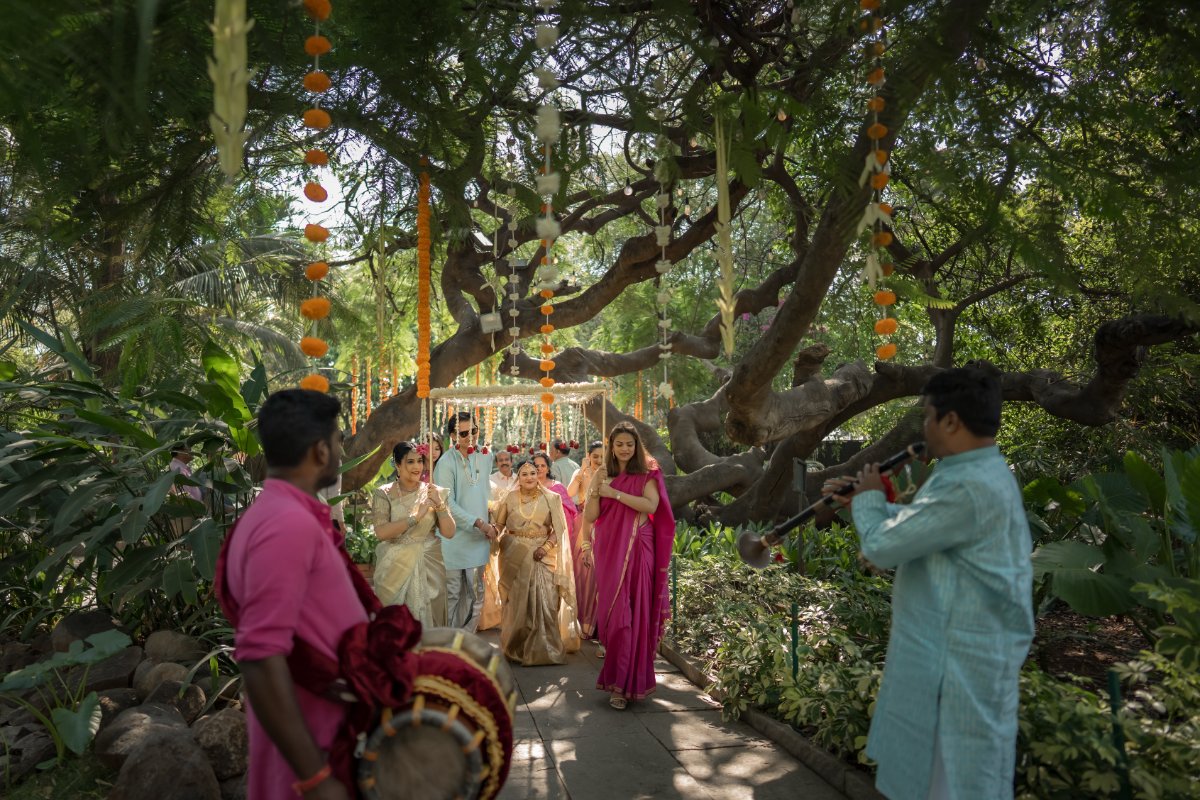
The Baraat / Groom's Procession
- Groom mounting the horse or arriving in the vehicle
- Aerial drone shot of the baraat from above — captures full scale of the procession
- Groom's mother dancing in the baraat — consistently the most emotive candid of the entire procession
- Band, dhol players and procession dancers
- Groom's face during the procession — the mix of joy, nerves and disbelief is never repeated
Ceremony — Ritual Moments
"For the ritual moments below, identify which ones are specific to your community and mark the non-negotiable ones clearly for your photographer. The muhurtham-critical shots need a dedicated second photographer in position at all times."
- Varmala / Jai Mala exchange — wide, medium and tight versions of the garland exchange
- Kanyadanam — father giving daughter's hand; always the most emotional portrait of any parent at the wedding
- Mangalsutra / Thali tying — the single frame that must be sharp, well-exposed and in focus. No exceptions.
- Saptapadi / Pheras — one strong portrait per round around the fire
- Community-specific centrepiece ritual (Oonjal, Jeelakarra Bellam, Kashi Yatra, Pudamuri, etc.)
- Bride and groom first look — face to face at the mandap before the ceremony begins
- Aerial overhead of the mandap — if drone is permitted; captures full decoration symmetry
- Pandit / priest during the ceremony — often overlooked, always meaningful in retrospect
- Wide establishing shot of the full mandap with guests
Couple Portraits
- Forehead-touch intimate close-up — the couple's faces 5–10cm apart; the most printed portrait in albums
- Full-length couple portrait — wide with the venue as backdrop
- Sunset / golden hour couple walk — if the timeline allows (schedule 30 minutes specifically for this)
- Couple laughing portrait — ask your photographer to do something that makes you genuinely laugh, not a forced smile
- Bride and groom walking away — from behind, showing the full outfit, hand in hand
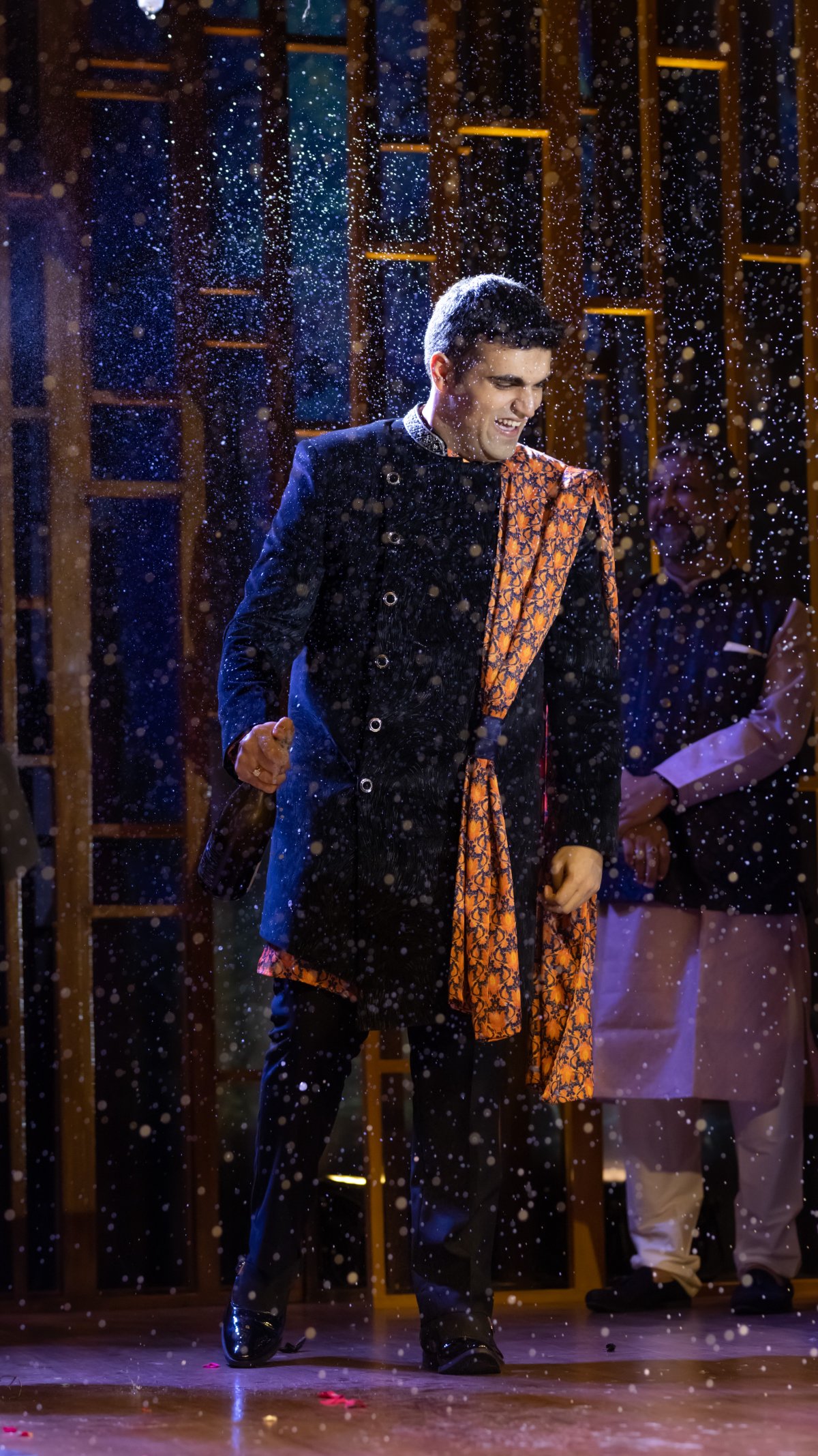
Family & Group Portraits
Give your photographer a written list with names for this section. At a minimum, include:
- Bride's immediate family — parents, siblings
- Groom's immediate family — parents, siblings
- Combined family portrait — both families together
- Grandparents with the couple — if present; always prioritise these first, grandparents tire quickly
- Bride with her bridesmaids
- Groom with his groomsmen
Reception
- Couple's first dance or first entry
- Cake cutting, ring ceremony or any reception-specific ritual
How to Use This Checklist
Customise the list above by:
- Deleting rituals that do not apply to your community or event structure
- Adding community-specific rituals not listed here (we have covered the most universal; your traditions may have more)
- Marking 5–8 frames as MUST HAVE with a star or highlight — these are the frames where a second photographer should be in position as backup
- Listing family group portraits by name in the order you want them shot (most formal Indian families go: maternal grandparents, paternal grandparents, immediate family, extended family, community)
How Many Photos Should You Expect?
| Event Type | Typical Delivered Photos (edited) |
|---|---|
| Single ceremony (4–6 hours) | 300–500 images |
| Full wedding day (10–14 hours) | 600–900 images |
| 2-day wedding (mehendi + wedding) | 900–1,400 images |
| 3-day wedding (sangeet + mehendi + wedding + reception) | 1,400–2,200 images |
These numbers assume professional curation and editing — every delivered image should be colour-graded, exposure-corrected, and worth looking at. If a photographer promises 3,000+ images for a single day, that is a quantity-over-quality warning sign.
Share This Checklist with WeddingClickz Before Your Wedding
Book a pre-wedding consultation with our team and walk through this list together. We assign specific photographers to specific ritual moments so nothing is ever missed.
Book a Free ConsultationPrefer a form? Send us your details → — reply within 24 hours.
How many photos should a wedding photographer deliver in India?
800–1,500 fully edited images for a complete 2-day Indian wedding. Single-day: 300–600. Beware of photographers promising 3,000+; the excess is usually unedited duplicates.
Should I give my wedding photographer a shot list?
Yes — for group portraits and ritual moments. For candid emotion, trust their instincts. Over-specifying every candid moment kills spontaneity and produces posed-looking "candid" shots. Specify the must-haves, then step back.
When should I brief my wedding photographer?
2–4 weeks before the wedding. Schedule a 60-minute call. Provide: event schedule, muhurtham timings, family group portrait list with names, VIP guest names, venue details, and any photography restrictions at the temple or venue.
What is the most important wedding photo that couples regret missing?
The kanyadanam (father giving the daughter's hand) and the mother-of-the-bride during the thali/mangalsutra tying. These are the two frames couples most often say were missing or poorly executed. Assign a dedicated photographer to track both parents throughout the ceremony.