
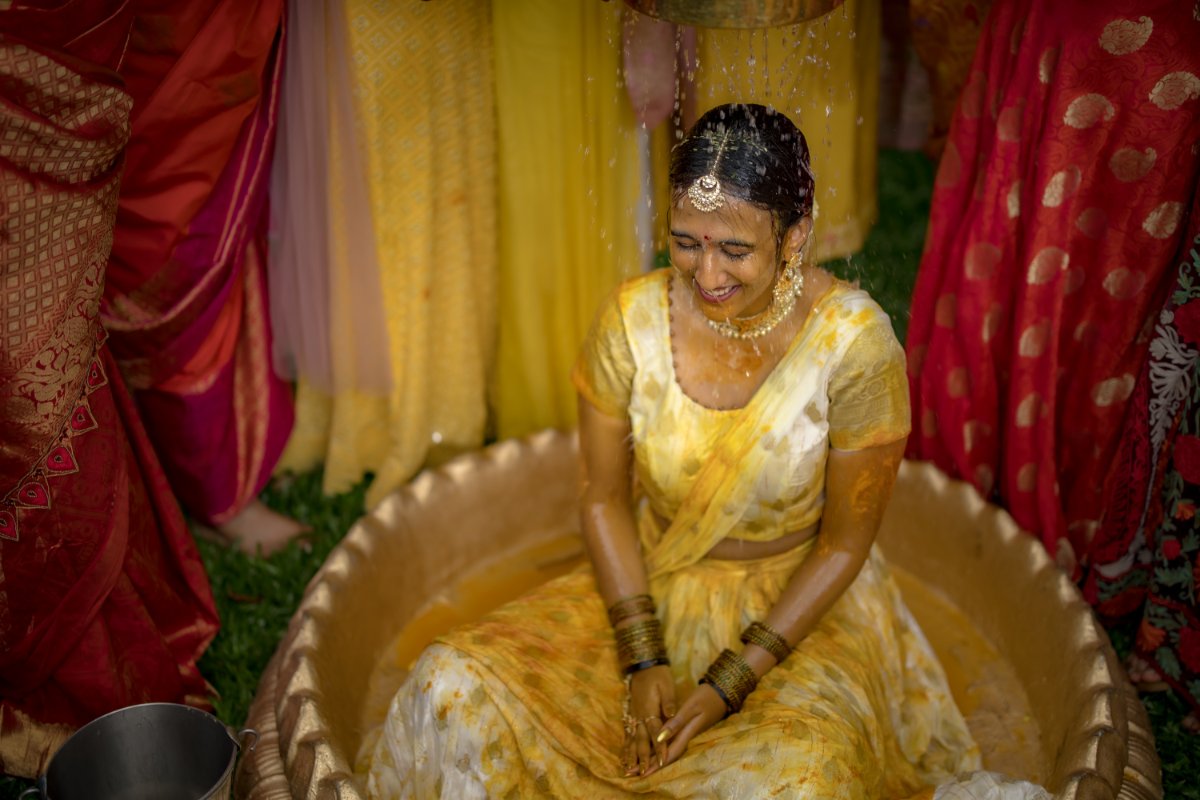
Your wedding photographer is the only vendor whose work you will look at every single year for the rest of your life. Flowers wilt. Food is eaten. The cake disappears in fifteen minutes. But the photos and the film? They are the wedding, ten years from now. Choosing the right wedding photographer in India is therefore one of the most consequential creative decisions you will make – and one of the most over-marketed, opaque categories in the entire wedding industry.
This guide is written from inside the studio. It walks you – step by step – through how to evaluate a wedding photographer in India in 2026: the styles, the budgets, the contracts, the questions to ask, and the red flags that should make you walk away.
1. Start with Your Wedding's Visual Identity, Not the Photographer
Before you open Instagram, sit down with your partner for fifteen minutes and answer three questions:
- What feeling do you want when you watch your wedding film five years from now? Joyful and energetic? Quiet and emotional? Cinematic and grand?
- How present do you want the camera to be? Do you mind being directed for portraits, or do you want the day to unfold untouched?
- Who is in these photos with you? A close-knit family wedding, or a 1,000-guest celebration with multiple side-events?
The answers determine the style of photographer you should hire – and most disappointments start with couples shortlisting based on aesthetic alone, only to realise their photographer's working method clashed with the day they wanted.
2. Understand the Major Indian Wedding Photography Styles
India has produced some of the most distinct wedding photography styles in the world. The four you'll most often encounter:
Traditional / Classical
Posed portraits, family group shots, formal coverage of every ritual. Reliable, archival, and what older relatives expect. Often shot by an established studio with a large team.
Candid / Photojournalistic
Unposed moments, real emotion, storytelling sequences. The dominant style in metros today. Usually 1–3 photographers per event, more flexible, but demands a skilled team because there is no second take of an aunt crying during the vidaai.
Cinematic / Editorial
High-production, fashion-magazine influenced, often shot with cinema lenses, controlled lighting, and elaborate film edits set to licensed music. This is what most premium studios in Bangalore, Mumbai and Delhi specialise in. Read our breakdown of candid vs traditional wedding photography to see real examples of each.
Documentary / Fly-on-the-Wall
The team is invisible – no posed portraits, no direction, no flash interrupting your pheras. Honest, unfiltered, deeply personal. A growing favourite among couples having intimate weddings.
Most modern Indian wedding photographers blend two or three of these styles. What matters is whether their blend matches yours.
3. Shortlist 8–10 Studios, Then Cut to 3
Use Instagram, Google ("best wedding photographer in [your city]"), WedMeGood, WeddingSutra, and word of mouth from recently married friends. Build a longlist, then cut ruthlessly using these filters:
- Have they shot a full wedding they can show you, end to end – not just highlights? Anyone can curate ten great frames.
- Are their recent weddings consistent in quality? Look at the last 10 weddings, not the top 3 on the feed.
- Have they shot in your kind of venue – an outdoor mehendi, a pre-dawn baraat, a beach reception? Lighting changes everything.
- Do they shoot your community's rituals with respect and accuracy? A photographer who has never covered a Tamil-Brahmin wedding will miss the oonjal.
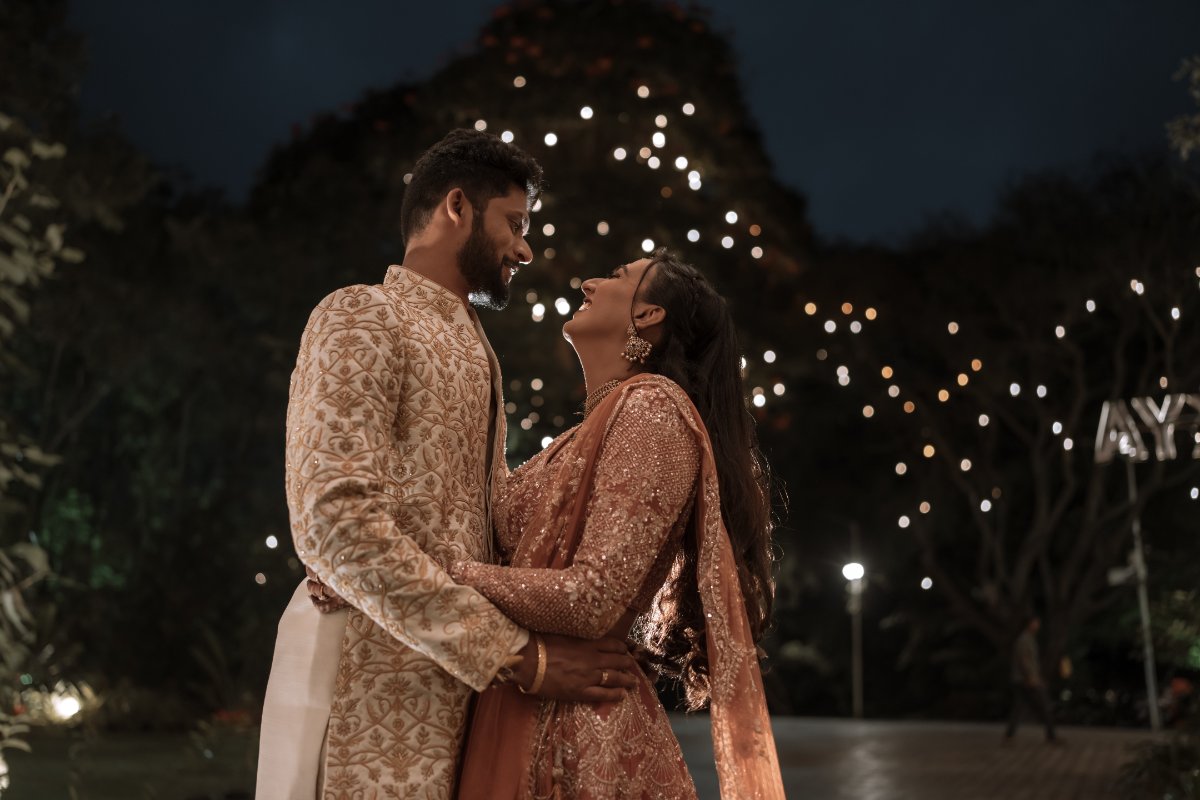
4. The Eight Questions Every Couple Should Ask Before Booking
- Who exactly will shoot my wedding? Many studios show you a senior's portfolio at the meeting and send a junior team on the day. Get the lead's name in the contract.
- How big is your team per event? A 500-guest Indian wedding typically needs 2 photographers + 2 cinematographers + 1 drone operator + 1 production assistant minimum.
- What is your backup plan if a camera fails or a shooter falls sick? Professional studios run with redundant bodies, dual memory card recording, and standby team members.
- How many edited photos and how many minutes of film will I receive? Get a number, not a vibe.
- What is your turnaround time? Industry standard in India is 30–45 days for an edited gallery and 60–90 days for the cinematic film. Anything beyond 4 months is a red flag.
- Do I get the RAW files? Most studios don't share RAWs (it's an industry norm, not a scam) but you should always receive high-resolution JPEGs with a personal-use license.
- What is your payment schedule and cancellation policy? Standard: 30–50% to confirm, balance before or on the wedding day. Cancellation should be tiered.
- Are you insured? Do you have a written contract? A studio that hesitates on either question is not a studio.
5. Decode the Package – What's Actually Included
Indian wedding photography packages are notoriously inconsistent. Two studios quoting "₹3,00,000 for 2 days" can deliver wildly different value. Make every package answer this 12-line checklist:
| Item | What to confirm |
|---|---|
| Events covered | Mehendi, haldi, sangeet, wedding, reception – list each |
| Hours per event | Is it a fixed number or "till the event ends"? |
| Team size | Photographers + cinematographers + drone + assistants |
| Photos delivered | Number of edited high-res JPEGs |
| Film deliverables | Highlight reel length, full-length film, teaser, reels for social |
| Drone | Included or extra? Permitted at venue? |
| Album | Page count, paper, leather grade, size |
| Travel & stay | Who pays for flights, hotel, local transport? |
| Pre-wedding shoot | Included or sold as add-on? |
| Same-day edit | Available? Extra cost? |
| Online gallery | Password protected, downloadable, expiry |
| Backup | Cloud + offline copy retention period |
For a realistic look at what these line items add up to in 2026, see our detailed breakdown of wedding photography cost in Bangalore.
6. Budget Realistically
As a rough national benchmark for 2026 in India:
- Entry-level / single-photographer: ₹50,000–₹1,50,000 per event
- Mid-range candid studios: ₹2,00,000–₹6,00,000 for full wedding (2–3 days)
- Premium cinematic studios: ₹8,00,000–₹25,00,000+ for full multi-day coverage
- Destination wedding (India): add ₹50,000–₹2,00,000 for travel & stay
- Destination wedding (international): add ₹2,00,000–₹8,00,000 depending on country
Wedding photography typically accounts for 8–15% of a total Indian wedding budget. If you're spending below 5% on photography in a wedding above ₹50 lakhs, you'll likely regret it.
See real wedding stories shot by WeddingClickz
Browse our latest weddings across Bangalore, Udaipur, Goa and Dubai – or talk to our team to plan yours.
View PortfolioPrefer a form? Send us your details → — reply within 24 hours.
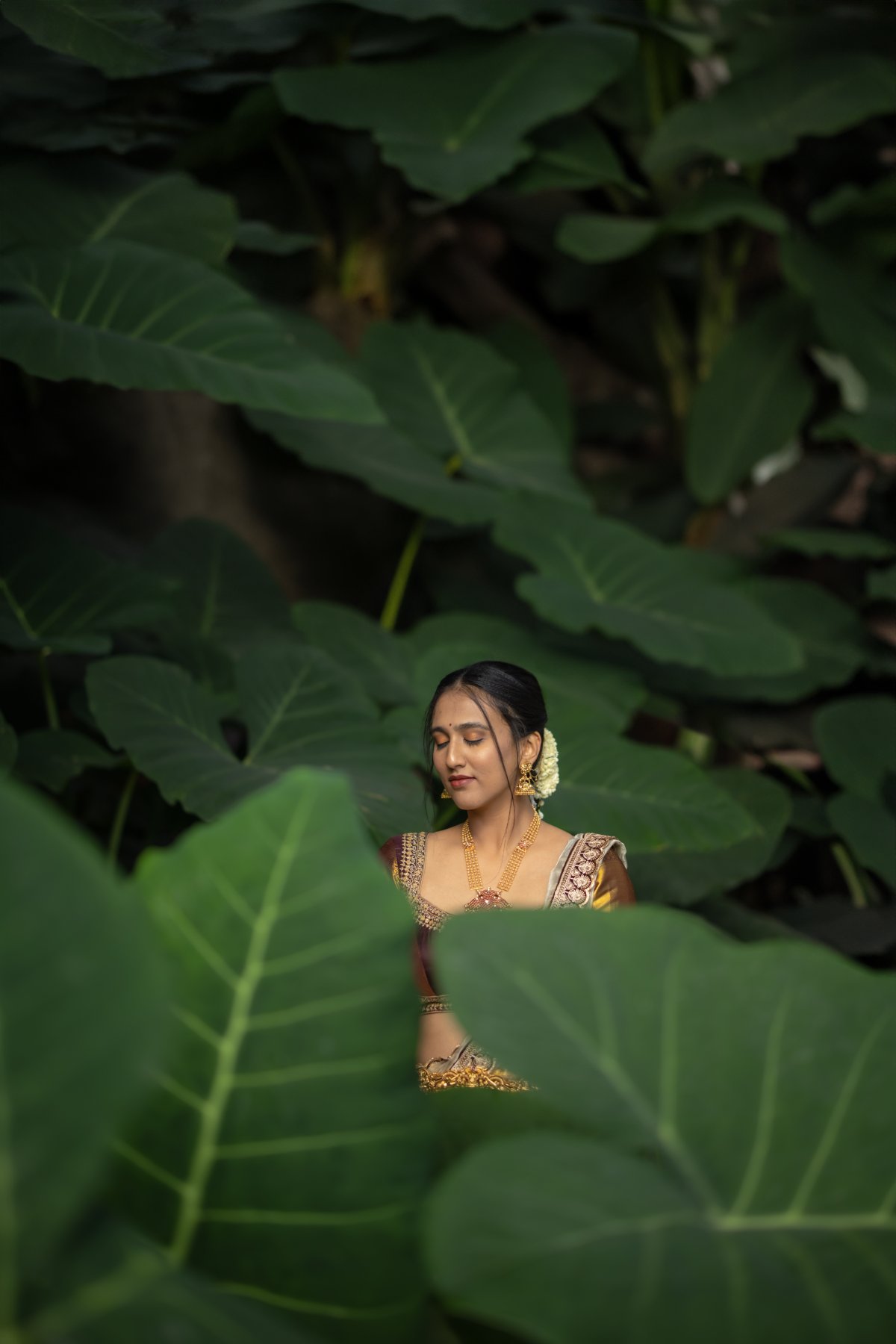
7. Red Flags That Should End the Conversation
- No written contract or "we'll WhatsApp you the details"
- Refuses to share a full unedited gallery from a recent wedding
- The website portfolio looks nothing like the Instagram feed (it's stock or borrowed)
- Reviews mention delivery delays of 6+ months
- Pressures you to pay 100% upfront or only accepts cash
- Won't tell you who the lead shooter on your day will be
- No insurance, no backup gear policy, no liability cover
- Watermark removal demanded for sharing images you appear in
8. Sign the Contract – Then Build the Relationship
The best wedding photos in India aren't shot by the most expensive studio – they're shot by the team that knows the couple. Before your wedding day, your photographer should have:
- Walked the venue with you (or virtually)
- Discussed your families – who is shy, who is everywhere, who must be in the family group
- Built a shot list with you for portraits and rituals
- Coordinated with your planner on the timeline (the planner controls what the photographer can capture)
- Briefed the cinematography team on music and emotional beats
This is the work that separates a good wedding gallery from a great one – and it happens before the first frame is shot.
9. After the Wedding
Track these milestones with your photographer:
- Day 1–3: Sneak peek of 30–50 images for social
- Week 2–4: Teaser film (60–90 seconds) for Instagram
- Day 30–45: Full edited photo gallery
- Day 60–90: Cinematic highlight film (5–10 minutes)
- Day 90–120: Full ceremony films + physical album proofs
FAQs
How much does a wedding photographer cost in India in 2026?
Most reputable wedding photographers in India charge between ₹1.5 lakh and ₹6 lakh for a 2-day wedding. Premium cinematic studios in Bangalore, Mumbai, Delhi and Dubai range from ₹8 lakh to ₹25 lakh+ depending on team size, deliverables and travel.
How early should I book my wedding photographer?
For peak Indian wedding season (November to February) and destination weddings, book 8–12 months in advance. Top-tier studios are often unavailable within 6 months of the date.
Should I hire a candid or traditional wedding photographer?
Most modern Indian weddings benefit from a hybrid team that delivers candid photojournalism for emotion and traditional coverage for family group photos. See our candid vs traditional comparison.
Do I get the RAW files from my wedding photographer?
Almost no professional studio in India shares RAW files – they are unedited and not considered final work. You should, however, always receive high-resolution edited JPEGs with a personal-use license.
What's the difference between a wedding photographer and a wedding cinematographer?
Photographers shoot stills (the album); cinematographers shoot motion (the wedding film). Most premium studios in India offer both as one team to ensure consistent storytelling and avoid two crews stepping on each other.